What to Pack for a Rovaniemi Winter (An Honest Local's Guide)
Part of our winter guide · Rovaniemi in Winter: A Local's Complete Guide
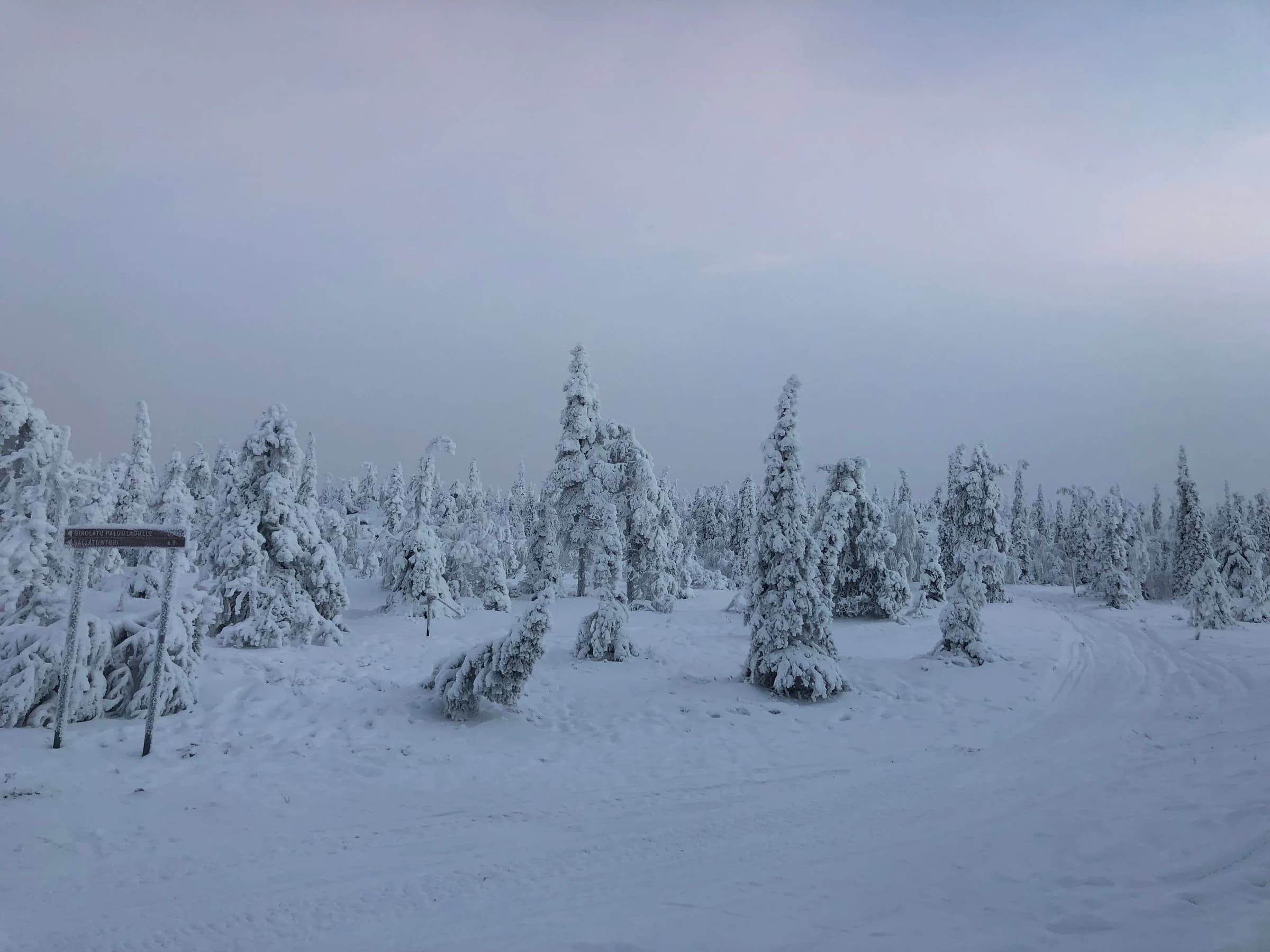
Photo by Ana Eva / Pexels
On this page
"There is no bad weather, just poor clothing," we say here in Lapland. Did you know that Finnish houses often have a lot of storage space right at the entrance? It's for clothes. A very big part of our storage is used for them, as the four very different seasons each require special gear of their own. Many tourists arrive without proper clothing, and I get it — there's a bit of a learning curve. Half of them have spent four hundred euros on an expedition parka they will wear maybe four times in their life. The other half are in city trainers and a wool coat, about to find out what minus twenty does to a person who is not ready for it. But not to worry, I'm here to help.
This is what you actually need for a Rovaniemi winter, what you can leave at home, and the small stuff nobody warns you about until you are already cold and a long way from your hotel.
Just need the list? Jump to the short version.
The one decision that changes how much you spend
Before you buy a single thing, know this. Almost every guided winter activity here hands you a thermal overall and proper boots for the length of the tour, included, no extra charge. Husky rides, snowmobile safaris, reindeer, ice floating. If you have booked a few activities, you are covered head to toe for the genuinely cold parts of your trip without owning any of it. You can also rent clothing for your whole trip from a clothing rental or an activity organiser (if they offer the service).
There are two catches. The first is children's sizes. They vary from one operator to another, so if you are travelling with a toddler, ask what clothing and boot sizes they have before you go. Pack their warm layers properly and do not count on borrowing until you have checked. Our guide to Rovaniemi with kids covers the rest of the family details. The second is that the suit only covers the tour itself. The walk from the car to dinner, the half hour in the queue to meet Santa, the evening you stand in a field hoping the aurora shows up. That part is on you — unless you have rented the clothes for a longer period.
So you are not packing to survive the Arctic. You are packing for the gaps between activities. That one shift in thinking saves most visitors a few hundred euros, and it is the thing the gear shops back home will never tell you.
Layers, and why cotton is the quiet villain
The rule here is not "bring your warmest coat." It is layers, and the right kind.
Your base layer sits against your skin, and its only job is to keep you dry. Merino wool or a silk blend is ideal. Cotton is the one thing to avoid completely if you can, because the moment you sweat it holds the damp against you and then you freeze from the inside out. A long-sleeved thermal top and leggings will do. They do not need to be expensive or branded.
Your middle layer traps warmth. A fleece or a wool jumper, nothing clever.
Your outer layer blocks wind and snow. A windproof, water-resistant jacket and a pair of over-trousers or snow pants. This is the layer worth having for your free time, since it is what you live in when you are not zipped into a borrowed tour suit.
Here is the part that sounds backwards. The real danger on a cold day is not being too cold; it is getting too warm. If you overdress and start to sweat while you are moving, that sweat freezes the second you stop, and now you are colder than if you had worn less. Locals and guides both say the same thing: dress so you are slightly cool when you set off, not toasty. Keep at least one extra layer for your upper half in a backpack, so you can throw it on during a break — put it on before you start to feel cold, and pack it away again once you get moving.
Where people actually get cold: hands, feet, and face
You will not freeze through your torso. You will freeze at the edges, and that is where the cheap, small decisions matter most.
Feet first. Get boots that are insulated, waterproof, and have real grip, because the pavements here turn to polished ice. Buy them a size larger than you normally wear. That sounds odd until you understand why: you want room for two pairs of socks, and a pocket of air around your foot, because trapped air is half of what keeps you warm. A boot crammed tight is a cold boot. Wool socks, no cotton, and a thin liner sock under them if your feet run cold.
Hands next. Mittens beat gloves every time, because your fingers share heat instead of each going it alone. But mittens make you clumsy, so wear a thin pair of liner gloves underneath, ideally the kind with touchscreen tips. That way you can slip the mittens off for thirty seconds to take a photo without your fingers going numb — and they will go numb fast. The warmest option, though, is just the mittens. Especially with kids, make sure their mittens are waterproof, as they are bound to play in the snow.
Then your head and face. A hat that actually covers your ears, not a beanie that rides up. A neck gaiter or buff you can pull over your nose and mouth when the wind picks up. On a still day, none of this feels necessary. On a windy one, it is the difference between a nice evening and going back inside after ten minutes. I see a lot of people not wearing a hat at all, even children — remember that your head is your most precious belonging, and you release a lot of your body warmth through it, so the cold can do real damage. A hat is non-negotiable, even if it feels silly.
And buy a few packs of disposable hand and foot warmers. They cost almost nothing, and they are a small miracle when you have been standing still in the dark waiting for the northern lights.
The small things locals never forget
The air here is brutally dry on top of being cold, which nobody mentions. Bring a good lip balm and some moisturiser or your face will feel like paper by day two.
Your phone will betray you. Cold drains batteries shockingly fast, and a phone that shows fifty percent can die in minutes outside. Keep it in an inside pocket close to your body and only bring it out to use it. A small power bank, kept warm, is worth packing.
Sunglasses, yes, in winter. When the low sun does appear, it bounces off the snow straight into your eyes, and the glare is genuinely strong. You do not need ski goggles; normal sunglasses are plenty. If you travel in spring and spend a lot of time in the snow — skiing, for example — you can even get snow blindness without eye protection. A little sunscreen for your face isn't a bad shout either (you can safely skip that in December and January).
Cards work everywhere. Every shop, every restaurant, even the taxis. You do not need to carry cash, and you do not need to change money before you arrive.
Buy, rent, or borrow
Quick honesty on money. If you already own decent winter gear, bring it. If you do not, do not rush out and buy a full Arctic wardrobe for a four-day trip. Between the tour-provided suits and a clothing rental in town, you can stay perfectly warm without spending a fortune on clothes you will never wear again at home. Before you book, check the price, what is included, and whether they deliver to your hotel. Buy the base layers and the small things, since those are yours to keep and cheap anyway. Rent or borrow the bulky outer stuff. Leaves more room for souvenirs, too.
A word on the dark
Plan for it now so it does not surprise you. In December, Rovaniemi gets only a couple of hours where the sun is properly up, wrapped in a few more hours of deep blue twilight, and then it is dark by mid-afternoon. It is not the bleak pitch black people imagine — the blue hour over the snow is one of the most beautiful things you will see — but it does mean your useful daylight is short. Do your outdoor and photo-heavy things around the middle of the day, and save the aurora hunting for the long evenings, which is when it happens anyway. If you'd rather not juggle the timing yourself, our free trip planner builds your days around the short daylight — and for more low-cost, local ways to fill those long evenings, see Authentic Rovaniemi.
The short version
If you remember nothing else:
- Let the tours provide the heavy suit and boots. Pack for the gaps, not the Arctic.
- Layers, not cotton, and aim to be slightly cool when you set off, not warm.
- Spend your attention on feet, hands, and face. Boots a size up, mittens over liner gloves, a hat that covers your ears.
- Pack lip balm, keep your phone warm, bring sunglasses, leave the cash at home.
- Daylight is short and lovely. Plan around it instead of fighting it.
Visiting before the snow settles? Here is what changes on a snowless trip. For the bigger picture, see our Rovaniemi winter guide.
Get those right, and Rovaniemi in winter is not something to endure. It is the most beautiful cold you will ever stand around in.
Looking for activity ideas?
Explore the planner