How Cold Does Rovaniemi Get in Winter?
Part of our winter guide · Rovaniemi in Winter: A Local's Complete Guide

Photo by Luna Pisani / Pexels
On this page
Lapland's winter is cold, but genuinely manageable with the right clothing, and it rarely feels the way the numbers make you fear. In November days sit just below zero; December days are typically -5°C to -10°C (with nights dropping to -20°C); January is coldest, often -10°C to -15°C by day and down to -30°C at night. Dress properly and around -20°C is very doable. Here is how cold it actually gets, month by month, and what it feels like on the ground.
How cold does it get month by month?
In November, the median temperature is between -3°C and -6°C; usually, during the day, the temperature is just below zero. In December, the day temperature is typically between -5°C and -10°C, but especially Aurora hunters should notice that it can already drop to -20°C at night. January gets even colder; the day temperature is usually between -10°C and -15°C, but night temperatures can reach -30°C.
Will you freeze in Lapland's winter?
Proper clothing, and no, you won't freeze. I have lived in Vietnam, and I can tell you, no matter how Lapland-born I am, I was freezing in Hanoi in the early spring, when it was around 16°C outside and 14°C in our house; the damp air is a killer when it comes to cold weather. In Lapland, due to the dry climate, the same temperature feels absolutely different. The houses in Lapland are built for cold, so they are typically very comfy even in the middle of winter. If you rent a cabin, you are likely to get a treat of a fireplace and a sauna, too. A brisk outing, especially followed by a sauna, is not only a well-deserved chance for relaxation but also good for your health. If you really want to test yourself, try ice swimming and sauna after; it gives a beautiful boost to your system!
What should you pack for the cold?
You don't need to bring a ton of clothes for your trip – if you come from a warm climate and don't have a further need for them, it's both ecological and economical to use the local services for dressing up. You can rent a full winter outfit in Rovaniemi — thermal overalls, snow boots and gloves in every size — which saves you hauling bulky gear you'll likely never wear again at home. You can read all about what to pack and how to make sure you are warm and toasty on your excursions in our article What to Pack for a Rovaniemi Winter (An Honest Local's Guide). Let me, however, remind you: love that wool, wear a hat, and if in doubt, take one extra layer. It's always easier to take it off later than to conjure one on the road. Make sure your boots are big enough and have space to wear a woolly sock or two.
What temperature is too cold for outdoor activities?
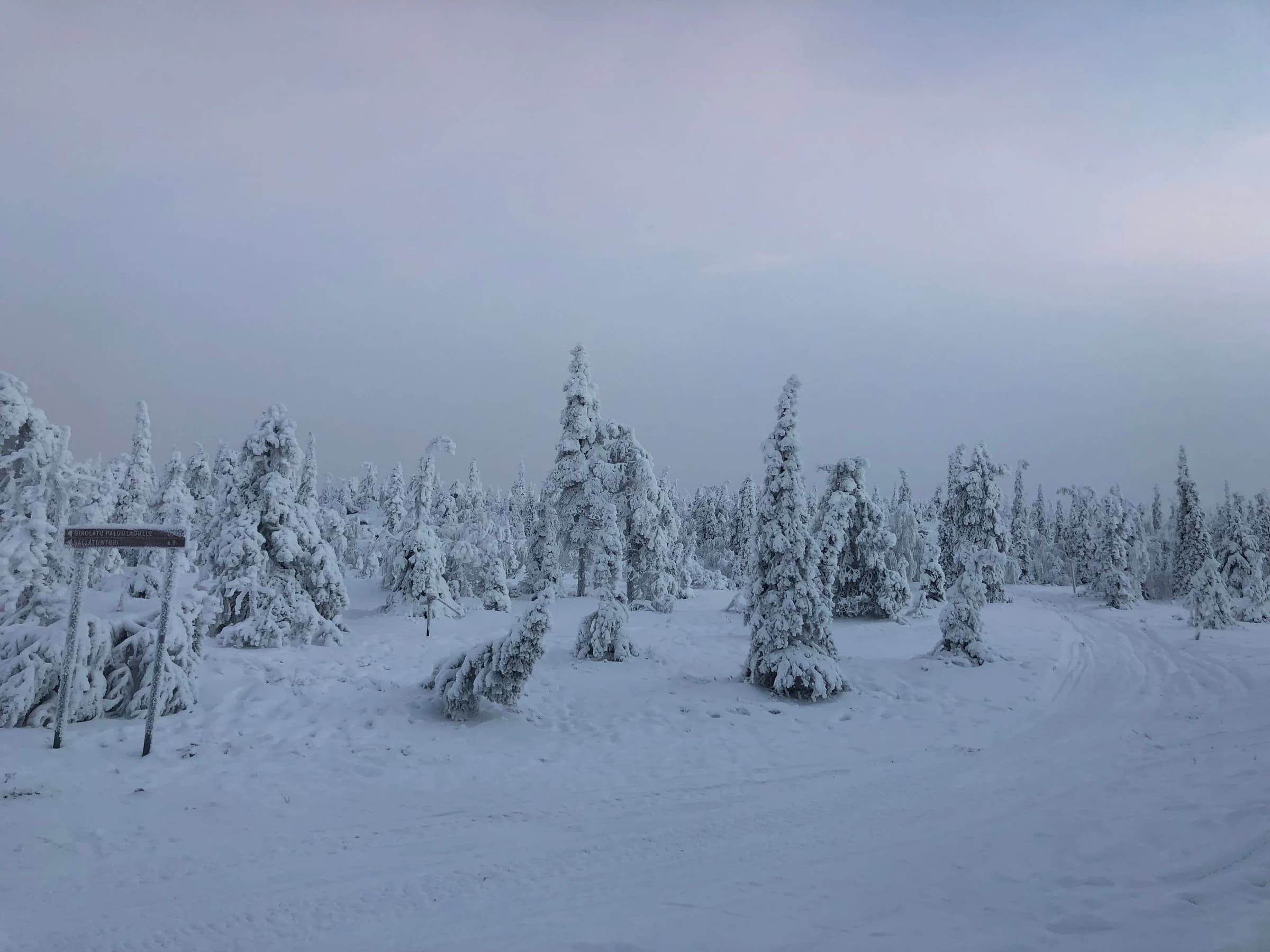
When dressed properly, around -20°C is still very doable. Protect your toes, your head, and your fingers, and you'll be just fine (if you have kids as stubborn as mine travelling with you, remember that a woolly hat is often neglected but maybe the most important garment especially for little ones, even if they don't want to wear one). Especially in mid-winter it's usually actually the prettiest when it's cold, as the sky is clear and everything is frosty. At night you can see all the stars, and if you're lucky, catch some Auroras.
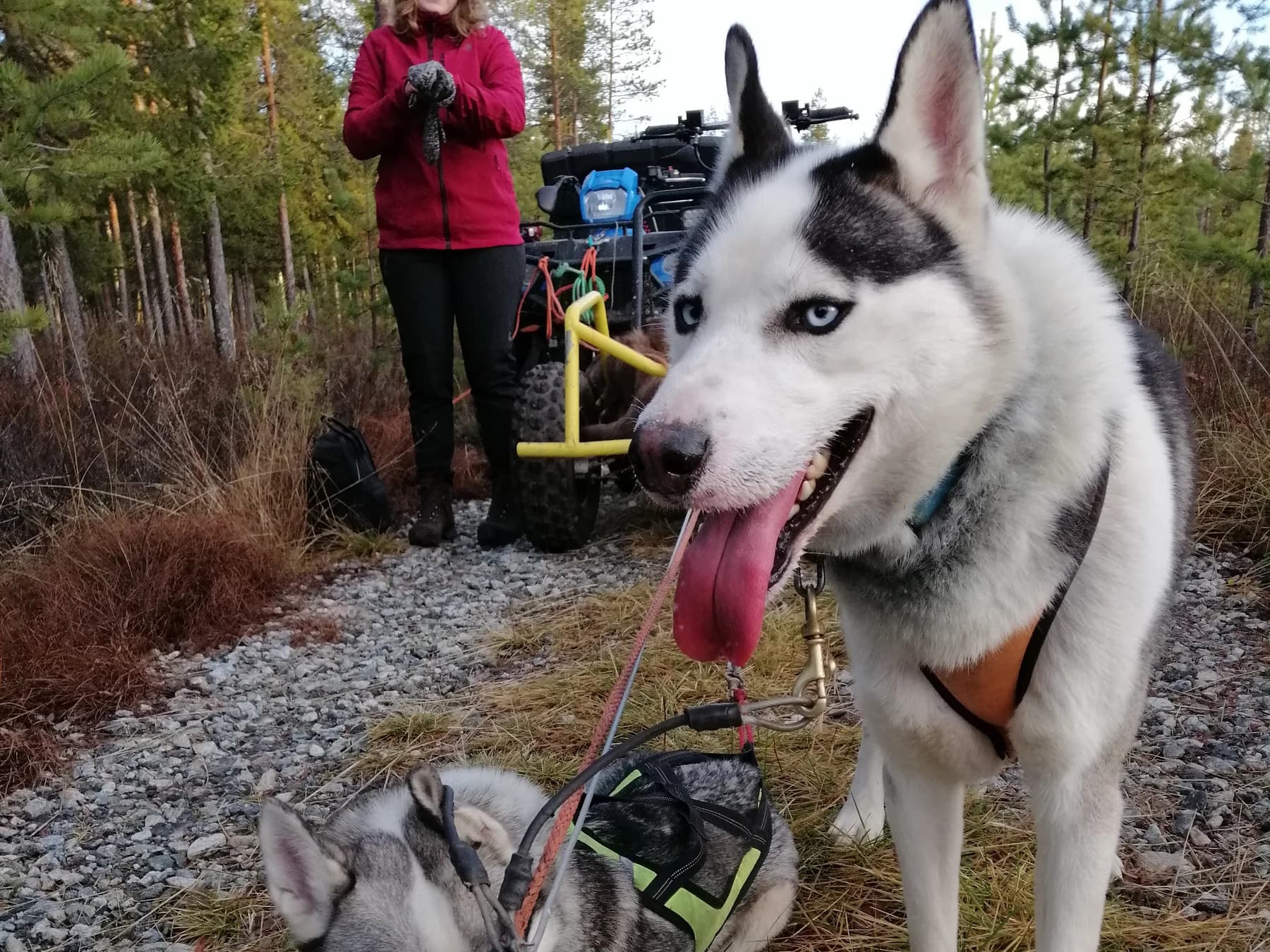
-30°C is, I'm not going to lie, cold. Beyond that, motor vehicles tend to start acting up (make sure you won't be in trouble with your rental car), and even breathing is more difficult. In very cold weather, I recommend indoor activities or short outdoor activities; enjoy food and drinks at a kota or a laavu, do something physically active, such as a brisk snowshoe walk or sledging, take a short reindeer ride, or visit an ice hotel. Note that some excursions, such as reindeer, husky, or snowmobile safaris, may be cancelled or the duration or routes changed due to very cold weather.
Is it safe to be outdoors with small children?
Remember that the locals let their children nap in their strollers outside even when it's cold, around -15°C (well dressed, of course) and play outside in colder temperatures yet. Cold air isn't bad for you; it just takes a bit of time to adjust. Plan your trip according to your group's tolerance: if you are travelling with small children or people very sensitive to frosty weather, make sure there are enough breaks in warm spaces during and between activities, carry some extra clothes with you, and maybe a thermos with a hot drink. You'll all appreciate them on the road.
When should you worry about frostbite?
You should worry if you or anyone in your group is starting to feel numbness or a burning sensation, especially in their fingers or toes, or if there's discolouration. Frostbite initially looks pale and, in more serious cases, blue. Better to be safe than sorry: if there's a suspicion of frostbite, get into a warm space and treat the frostbite with warm water (about 40°C). If the area doesn't get better in an hour, seek medical help. None of this is medical advice, when in doubt, always trust your instincts and get help. You can download the official safety instructions in English through this link from Finland's rescue services.
Red cheeks are not anything to be concerned about, but rather a sign of having great outdoor fun. Frosty hair and facial hair are also completely normal – and funny! Take a lot of pictures (and to take those pictures, always keep your phone close to your body, most phones tend not to like cold!).
Once you know how to dress for it, the cold stops being the thing you worry about and becomes part of the magic. If you want help pacing a trip around the weather, with warm breaks and mealtimes built in, our free trip planner builds a day-by-day Rovaniemi itinerary from real, bookable activities.
Looking for activity ideas?
Explore the planner